
How to Move a Gun Safe Without Damaging Your Floors
Hardwood, tile, and laminate all crack under a safe's point load. Here's exactly how the pros protect floors on a ground-level move.
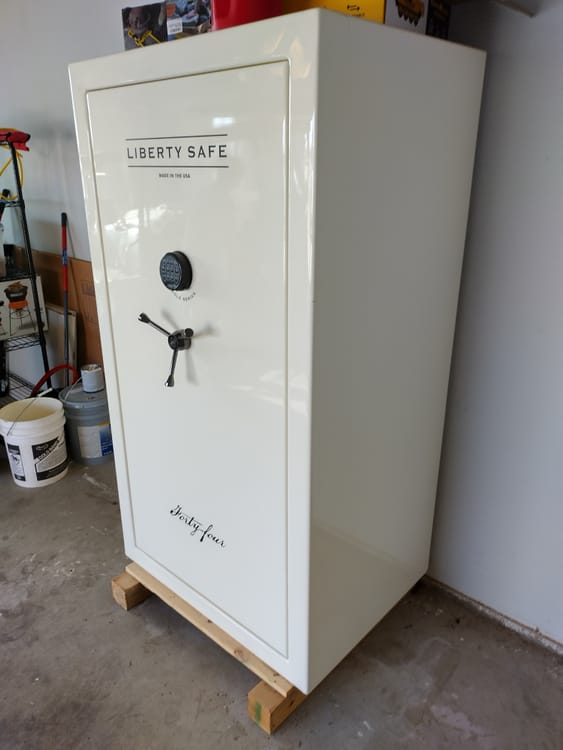
Why Safes Wreck Floors
A gun safe's danger to your floors is point load — hundreds of pounds concentrated on a small corner or caster. Drag a 600-lb safe and the bottom edge gouges hardwood and cracks tile; set it down on a corner and it dents the subfloor. The fix is always the same: spread the weight and never let a hard edge touch the floor.
The MethodHow We Protect Your Floors
- Masonite / plywood runners laid along the entire ground-level path over hardwood, tile, and laminate.
- Wide-footprint industrial dolly — the safe rides on the dolly's wheels, never dragged across the floor.
- Moving blankets & corner pads so no steel edge contacts a surface.
- Door-jamb guards at every doorway and pivot point.
- Controlled set-down on padding, never dropped on a corner.
By Floor Type
Hardwood & engineered wood scratch and dent easily — full runner coverage. Tile cracks under point load — runners plus a slow, even roll. Laminate & LVP scuff and can chip at seams — pad and roll, never pivot in place. Carpet hides a dolly's path but the subfloor underneath still takes the load, so we still spread it.
Related: DFW gun safe movers · moving cost guide · weight chart · how to move a Liberty safe.
Floor Protection — FAQ
Masonite or plywood runners over the whole path, a wide-footprint industrial dolly so the safe is never dragged, blankets and corner pads, and door-jamb guards — all on one level.
It can — a heavy safe on a small corner is a classic tile-cracker. Runners that spread the load and a controlled roll prevent it.
Yes — we lay floor protection at the pickup and the destination, on the full ground-level path.
PROTECT YOUR FLOORS
AND YOUR SAFE
Licensed, insured, 5-star specialty gun safe movers. No stairs ever, flat written pricing, all brands. Call now or get a free quote.